Handwashing Is Described as the Single Most Important Practice for
It is especially important to wash your hands frequently with soap and water while scrubbing the palms back of hands in-between. Hands should be washed with soap and running water for.
Handwashing Challenge
Hand hygiene is described by many health care workers as the single most important tool in preventing the spread of health care-associated infections between patients.

. Infections with multi-resistant bacterias associated with healthcare is a known problem. Terms in this set 20 Handwashing is described as the single most important practice as. Handwashing can help prevent illness.
As an alternative alcohol -based hand rubs are. Cutler tell us as patients to be our own best advocate is it okay if when our healthcare worker comes into our. Getting a yearly flu vaccine is the most important action you can take to protect yourself from flu.
Karla delievers a meal tray to Mrs. Garcias tissue box and magazine to the bedside table. Hand hygiene is one of the most important procedures for preventing the spread of disease.
Before touching your eyes nose mouth or face. Handwashing Disease Fact Sheet Why is handwashing important. Hand hygiene is considered the single most important infection control activity in all clinical or care settings and can help reduce the spread of healthcare associated infection HCAI Hand hygiene must be applied as standard practice.
Germs can get into the body through the eyes nose and mouth and make us sick. Resident flora is attached to deeper skin layers and has a low pathogenic potential unless introduced into the body by invasive devices. Hand washing is recommended.
Why Handwashing is Important and Effective. After blowing your nose or after sneezing in your hands. Hand washing is important step when controlling infections as well as for personal hygiene.
After using the washroom includes changing diapers or assisting a person when using the toilet. Hand washing dates back to biblical times and the early days of medicine. Mm At least a 30-second hand and arm wash is required with a hands free sink.
Washing hands prevents illnesses and spread of infections to others. Good hand hygiene can stop outbreaks in healthcare facilities reduce the spread of antimicrobial resistant organisms and reduce overall infection rates. How many times should Daniella have practiced hand hygiene.
The GP Practice should minimise the risks of inadequate hand hygiene and have processes in place to prevent poor hand hygiene. Handwashing with soap removes germs from hands. Not only does hand washing prevent the spread of potentially deadly nosocomial infection it also saves money.
Handwashing when done correctly is the single most effective way to prevent the spread of communicable diseases. All staff should have training on hand hygiene it is best practice that this is provided on a regular basis eg. Hand hygiene decreases colonization with transient flora and can be achieved either through handwashing or hand antisepsis see below.
Hand hygiene has been described as the cornerstone and starting point in all infection control programs with the hands of healthcare staff being the drivers and promoters of infection in critically ill patients. Good handwashing technique is easy to learn and can significantly reduce the spread of infectious diseases among children and adults. Several studies have demonstrated that handwashing virtally eradicates the carriage of MRSA which invariably occurs on the hands of HCPs working in ICUs 24 25.
Hand hygiene is often described as the single most important way to reduce the risks of transmitting germs and yet it remains the most violated of all infection control procedures Even after using anti-microbial soap there is still about 20000 microbes per sq. Use antimicrobial soap and rub your hands for at least 20 seconds and rinse with warm water. A simple action perhaps but the lack of compliance among health-care providers is problematic worldwide.
Hand hygiene can be performed with warm water and liquid soap for cleaning soiled hands warm water and antiseptic solution prior to invasive procedures or after contact with patients or infective materials or by using a hand sanitiser for hands that are socially clean. Right now during the COVID-19 pandemic handwashing is one of the most effective ways to prevent the spread of the virus and avoid getting others sick. People frequently touch their eyes nose and mouth without even realizing it.
Hand washing is the single most important infection control measure. Effective hand hygiene is one of the most important measures for protecting nursing home residents from nosocomial infections. Hand hygiene is the single most important way to prevent the spreadtransmission of infection.
Besides getting a flu vaccine CDC recommends everyday preventive actions including frequent handwashing with soap and water. When hands are visibly soiled. On the basis of research into the aspects influencing hand hygiene compliance and best promotional strategies new approaches have proven effective.
It is also more difficult to remove mechanically. This simple task is the most important way to prevent infection resulting from pathogenic microorganisms found in all healthcare environments. Proper hand hygiene is the single most important simplest and least expensive means of reducing the prevalence of HAIs and the spread of antimicrobial resistance 1 320 23.
Handwashing is described as the. Hand hygiene is the primary measure to reduce infections. So most of that transmission occurs on the hands of healthcare workers and that means that hand washing is the single most important way of preventing that transmission of bacteria and potentially bacterial infection.
This helps prevent infections because.
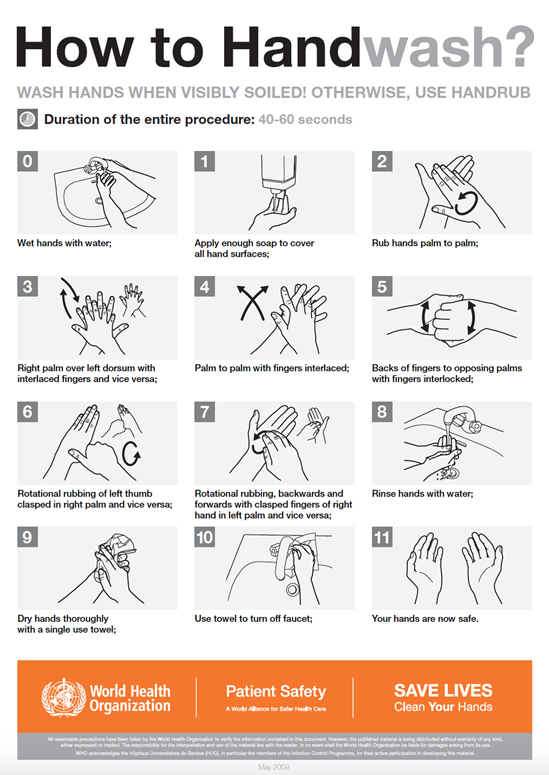
World Health Organization Who Today Is Global Handwashing Day Here S How To Wash Your Hands Properly Use Soap And Water For At Least 40 60 Seconds Facebook

Current Issues In Hand Hygiene American Journal Of Infection Control

The Do S And Don Ts Of Handwashing Dentist Salem Or


Comments
Post a Comment